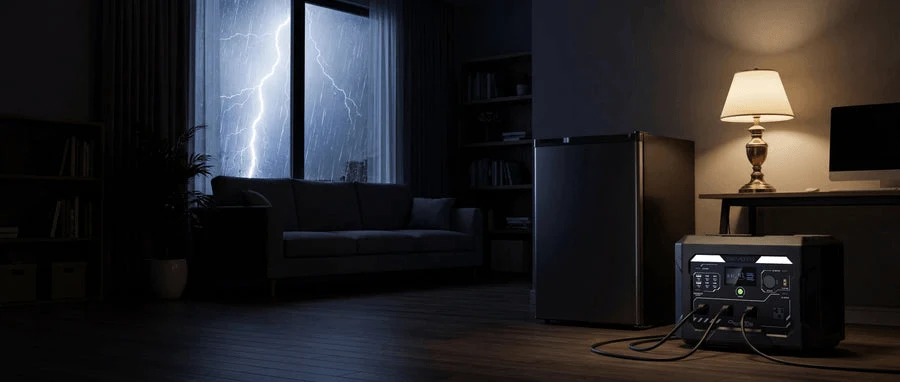
Understanding the Importance of Refrigerator Backup Power
A refrigerator is one of the most essential appliances in any home because it keeps food fresh, prevents waste, and protects stored items from spoilage. During a power outage, even a short interruption can create problems, especially when temperatures rise inside the refrigerator and freezer compartments. A reliable backup solution can help maintain food safety and provide peace of mind. This refrigerator backup power guide explains how to choose the right backup system, what features to consider, and how to ensure your refrigerator continues working when the main power supply fails.
Modern refrigerators are designed to be energy efficient, but they still require a consistent power source. Unlike smaller electronics, refrigerators contain compressors that need extra energy when starting. This means a backup power system must handle both the regular running wattage and the higher startup surge. Choosing the correct power station, generator, or battery backup system is important to avoid interruptions and protect your appliance.
Why You Need a Backup Power Solution for Your Refrigerator
Power outages can happen because of storms, hurricanes, electrical failures, extreme weather, or problems with the local power grid. When electricity stops, the refrigerator immediately loses its cooling ability. Although a closed refrigerator can keep food cold for several hours, extended outages may cause temperatures to increase beyond safe levels.
A refrigerator backup power system provides continuous electricity during emergencies. It helps preserve meat, dairy products, vegetables, medicines that require refrigeration, and other temperature-sensitive items. For families living in areas where outages are common, having a dependable backup power source is an important part of emergency preparation.
Many homeowners now choose portable power stations because they are quiet, easy to use, and do not require fuel. Solar-compatible models also allow users to recharge their backup systems using sunlight, making them useful for long-term emergencies and outdoor situations.
Choosing the Right Backup Power Capacity
One of the most important steps in selecting refrigerator backup power is understanding your appliance’s energy requirements. Refrigerators usually display their electrical information on a label located inside the door or on the back of the unit. This information includes voltage, amps, and wattage.
Most household refrigerators use between 100 and 800 watts while running, depending on the size, model, and efficiency rating. However, the compressor requires additional power when it starts. This startup surge can be two to three times higher than the normal operating power.
A suitable backup system should provide enough continuous power and surge capacity. For example, a small refrigerator may work well with a compact portable power station, while a larger refrigerator with a freezer section may require a higher-capacity battery backup or generator.
Battery capacity is measured in watt-hours (Wh). A larger battery capacity allows your refrigerator to run for a longer period. When selecting a backup power system, consider how many hours or days you want your refrigerator to operate without access to the grid.
Portable Power Stations for Refrigerator Backup
Portable power stations have become a popular option for refrigerator emergency power because they combine battery storage, multiple outlets, and easy operation. These devices can power refrigerators, freezers, lights, communication devices, and other essential electronics during outages.
Many modern portable power stations use lithium iron phosphate (LiFePO4) batteries, which offer longer lifespans, improved safety, and better performance compared with traditional battery technologies. They can also be recharged through wall outlets, vehicle charging ports, or solar panels.
A refrigerator backup power guide should always consider portability and convenience. Portable power stations are ideal for people who need a backup solution that can be moved around the home, taken during camping trips, or used during emergency situations.
Solar Backup Options for Refrigerators
Solar-powered backup systems provide an environmentally friendly way to maintain refrigerator operation during long power outages. A solar generator combines a battery storage system with solar charging capability, allowing users to collect and store energy from the sun.
When paired with portable solar panels, a solar backup system can continue charging during daylight hours. This makes it useful during extended emergencies where fuel availability may become a concern.
The effectiveness of solar backup depends on several factors, including panel size, sunlight availability, battery capacity, and refrigerator energy consumption. A properly designed solar setup can provide reliable refrigerator power while reducing dependence on traditional electricity sources.
Generator vs Portable Power Station for Refrigerator Backup
Traditional fuel-powered generators have been used for years as emergency power solutions. They can provide high output and run appliances for extended periods as long as fuel is available. However, they also produce noise, require maintenance, and must be operated in properly ventilated outdoor areas.
Portable power stations offer several advantages, including silent operation, no fuel requirements, and simple indoor use. They are especially convenient for powering essential appliances like refrigerators during short or medium-length outages.
The best option depends on your specific needs. A generator may be suitable for large homes requiring power for multiple heavy appliances, while a portable battery system may be better for homeowners who want a cleaner and quieter backup solution.
Factors to Consider Before Buying Refrigerator Backup Power
Before purchasing a backup system, consider the following factors:
First, check your refrigerator’s power requirements. Understanding the running wattage and startup surge will help you select a compatible system.
Second, consider backup duration. A higher-capacity battery will keep your refrigerator running longer, but it may also increase cost and size.
Third, look for safety features. Quality backup systems should include protection against overheating, overcharging, short circuits, and voltage problems.
Fourth, consider charging options. Systems with multiple charging methods, such as AC, car charging, and solar input, provide greater flexibility during emergencies.
Finally, think about future needs. A backup system that can power additional devices like phones, laptops, medical equipment, or lights can provide more value during unexpected situations.
How to Use Backup Power Safely
Using refrigerator backup power correctly is essential for safety and performance. Always follow the manufacturer’s instructions and avoid connecting appliances that exceed the system’s capacity.
Keep portable generators outdoors because carbon monoxide emissions can be dangerous. Portable power stations can usually be used indoors, but they should still be placed in a dry and ventilated location.
During an outage, avoid opening the refrigerator door frequently. Every time the door opens, cold air escapes and the appliance uses more energy to restore the temperature. Proper usage can extend the runtime of your backup system.
Maintaining Your Refrigerator Backup System
Regular maintenance ensures your backup equipment works when you need it most. Recharge battery systems periodically, even when they are not being used. Check cables, connectors, and charging equipment for damage.
For solar systems, keep panels clean and inspect connections regularly. For generators, follow recommended maintenance schedules, including oil changes and fuel checks.
Testing your backup system before an emergency is also important. A system that has never been tested may not perform as expected during a real power outage.
Final Thoughts on Refrigerator Backup Power
A dependable refrigerator backup power solution is an important investment for protecting food, reducing waste, and staying prepared during unexpected outages. By understanding your refrigerator’s energy needs, choosing the correct battery capacity, and selecting a reliable backup system, you can keep essential appliances running when electricity is unavailable.
This refrigerator backup power guide highlights the importance of planning ahead and investing in equipment that matches your lifestyle. Whether you choose a portable power station, solar generator, or traditional generator, having backup power ensures your refrigerator remains functional during emergencies and provides greater confidence when facing power interruptions.