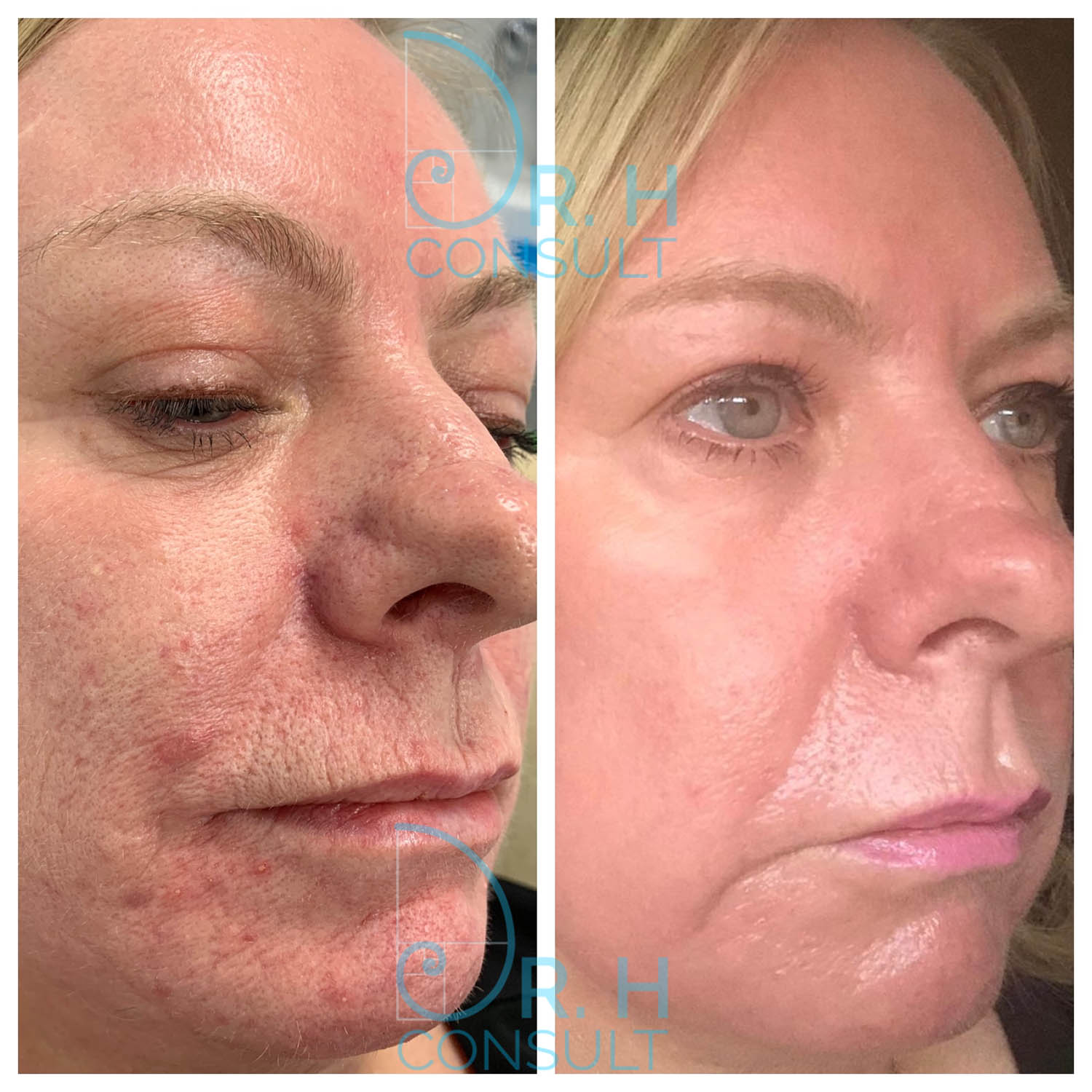
Understanding Skin Damage: Acne Scars and Wrinkles
Acne scars and wrinkles are among the most common skin concerns affecting people of different ages. Acne scars usually form when severe breakouts damage the skin tissue, leaving behind uneven texture, pits, or raised marks. Wrinkles, on the other hand, develop naturally with age due to reduced collagen production, sun exposure, and lifestyle factors such as stress or smoking.
Over time, both conditions can significantly affect skin confidence and appearance. This is where modern dermatological solutions like Laser Skin Resurfacing come into play, offering a highly effective way to restore smoother, healthier-looking skin.
What Is Laser Skin Resurfacing?
Laser Skin Resurfacing is a cosmetic dermatology procedure designed to improve skin texture, tone, and overall appearance by using concentrated beams of light. These laser beams remove damaged outer layers of skin while stimulating the production of collagen in the deeper layers.
The process helps the skin regenerate new, healthier cells, reducing visible imperfections such as acne scars, fine lines, wrinkles, sun damage, and uneven pigmentation. Depending on the severity of the skin concern, dermatologists may use ablative or non-ablative Laser Skin Resurfacing techniques.
Ablative lasers remove the outer layer of skin, making them more intensive but highly effective. Non-ablative lasers, on the other hand, target deeper layers without removing the surface, offering a gentler recovery process.
How Laser Skin Resurfacing Targets Acne Scars
Acne scars are often difficult to treat with topical creams or home remedies because they form deep within the skin. Laser Skin Resurfacing works at the structural level of the skin, making it one of the most effective treatments available.
When the laser penetrates the skin, it breaks down scar tissue and encourages the body to produce fresh collagen fibers. This process gradually fills in depressed scars and smooths out uneven skin texture.
For atrophic acne scars (commonly known as pitted scars), Laser Skin Resurfacing helps lift the indented areas by rebuilding the underlying skin support. For hypertrophic scars, it reduces excess tissue growth and improves surface smoothness.
Multiple sessions may be required depending on the severity of scarring, but visible improvement is often noticeable after the first few treatments.
The Role of Laser Skin Resurfacing in Reducing Wrinkles
Wrinkles form as the skin loses elasticity and collagen over time. Laser Skin Resurfacing is particularly effective in reversing these signs of aging by triggering the skin’s natural healing response.
The controlled heat from the laser stimulates fibroblast activity, which is responsible for producing collagen and elastin. These proteins are essential for maintaining firm, youthful skin.
As new collagen forms, fine lines around the eyes, mouth, and forehead gradually soften. Deeper wrinkles become less pronounced, resulting in a smoother and more youthful complexion.
Unlike temporary cosmetic solutions, Laser Skin Resurfacing addresses the root cause of wrinkles by improving skin structure from within.
Types of Laser Skin Resurfacing Treatments
There are different types of Laser Skin Resurfacing techniques used depending on skin type, condition severity, and desired results.
CO2 Laser Resurfacing is one of the most powerful options. It is highly effective for deep wrinkles and severe acne scars, but it requires a longer recovery period.
Erbium Laser Resurfacing is a milder alternative that targets superficial wrinkles and mild scarring. It offers quicker healing with less downtime.
Fractional Laser Skin Resurfacing is a modern approach that treats only a fraction of the skin at a time, leaving surrounding tissue intact for faster recovery and reduced risk.
Each method has its own benefits, and dermatologists often recommend the best option based on individual skin needs.
Benefits of Laser Skin Resurfacing for Skin Renewal
One of the biggest advantages of Laser Skin Resurfacing is its ability to deliver long-lasting and noticeable results. Unlike temporary treatments, it physically remodels the skin structure.
It improves skin texture by smoothing rough areas and minimizing pores. It also evens out skin tone by reducing pigmentation caused by acne or sun exposure.
Another key benefit is collagen stimulation, which continues even after the treatment session. This means skin improvement can continue for months following the procedure.
Additionally, Laser Skin Resurfacing can be customized for different skin types and concerns, making it a versatile solution for both younger individuals with acne scars and older adults dealing with wrinkles.
Recovery and Aftercare Process
After undergoing Laser Skin Resurfacing, the skin typically requires a recovery period. The duration depends on the intensity of the treatment used.
Mild treatments may cause slight redness similar to a sunburn, while more intensive procedures can lead to peeling and swelling for several days.
Proper aftercare is essential to achieve optimal results. Patients are usually advised to avoid sun exposure, use gentle skincare products, and apply prescribed healing ointments.
Hydration and sun protection play a major role in ensuring smooth healing and preventing complications.
As the skin heals, new layers gradually replace the damaged ones, revealing fresher and more youthful skin underneath.
Who Can Benefit from Laser Skin Resurfacing?
Laser Skin Resurfacing is suitable for individuals who want to improve visible skin imperfections such as acne scars, wrinkles, fine lines, and uneven skin tone.
It is commonly chosen by people who have not achieved desired results with creams, chemical peels, or other non-invasive treatments.
However, not everyone is an ideal candidate. Individuals with active acne, certain skin infections, or specific medical conditions may need to consult a dermatologist before undergoing the procedure.
A professional evaluation ensures that Laser Skin Resurfacing is safe and effective for each individual case.
Long-Term Results and Expectations
One of the most appealing aspects of Laser Skin Resurfacing is its long-term impact. Since the treatment stimulates natural collagen production, improvements can last for years with proper skincare maintenance.
Patients often notice progressive enhancement in skin texture and firmness over time. Acne scars become less visible, and wrinkles continue to soften as collagen rebuilds.
To maintain results, dermatologists often recommend sun protection, healthy lifestyle habits, and occasional maintenance sessions.
Conclusion
Laser Skin Resurfacing is one of the most advanced and effective treatments for improving both acne scars and wrinkles. By targeting damaged skin layers and stimulating natural collagen production, it restores smoother, healthier, and more youthful-looking skin.
Whether dealing with stubborn acne scars or early signs of aging, this procedure offers a scientifically proven solution that goes beyond surface-level treatments. With proper care and professional guidance, Laser Skin Resurfacing can deliver long-lasting skin transformation and renewed confidence.