Exceptional client service is built on more than friendliness, responsiveness, or professional communication. Clients expect professionals to understand their Michael Rustom needs, provide accurate information, solve problems efficiently, and create a smooth experience from beginning to end. Developing genuine expertise is one of the most effective ways to meet those expectations consistently.
Expertise combines knowledge, practical skills, experience, communication, judgment, and continuous learning. Professionals who deliberately strengthen these areas can become more confident and capable when handling different client situations. Whether working in consulting, marketing, finance, technology, healthcare, hospitality, or another service-based field, expertise can significantly influence the quality of every client interaction.
Understand Your Industry Thoroughly
The first step toward exceptional client service is developing a strong understanding of your industry. Clients often rely on professionals because they need specialized knowledge that they may not have themselves.
Stay informed about industry terminology, common challenges, emerging technologies, regulations, customer expectations, and changing market conditions. Regularly reading industry publications, attending educational events, and following reputable professional resources can help keep your knowledge current.
Industry expertise also makes conversations more productive. When clients ask questions, you can provide relevant explanations instead of relying on vague or generalized responses.
Develop Deep Knowledge of Your Services
Knowing your services thoroughly is just as important as understanding the wider industry. Professionals should understand what their organization offers, how each service works, what problems it addresses, and what limitations may apply.
A knowledgeable professional can explain complex services in simple language. This helps clients understand their options and make informed decisions.
It is also useful to understand the complete client journey. Learn what happens before a service begins, during implementation, and after delivery. This broader perspective makes it easier to anticipate questions and identify potential problems before they affect the client.
Strengthen Communication Skills
Expertise has limited value if it cannot be communicated effectively. Strong communication allows professionals to transform technical knowledge into useful information that clients can understand.
Practice active listening during conversations. Give clients enough time to explain their concerns before responding. Ask relevant questions when information is unclear, and confirm important details before moving forward.
Written communication matters as well. Emails, reports, proposals, and updates should be clear, organized, and appropriate for the audience. Avoid unnecessary jargon unless the client is familiar with the terminology.
Good communication also involves setting realistic expectations. Explain timelines, responsibilities, deliverables, and possible challenges clearly rather than making promises that may be difficult to fulfill.
Learn From Real Client Experiences
Practical experience is one of the strongest ways to develop professional expertise. Every client interaction can provide an opportunity to learn something new.
After completing a project or resolving a client issue, consider what worked well and what could have been handled differently. Look for patterns in questions, complaints, delays, misunderstandings, and successful outcomes.
Keeping notes about recurring situations can help professionals build a personal knowledge base. Over time, these experiences create a stronger understanding of how to respond to different client needs.
Experience also improves judgment. As professionals encounter more situations, they become better at identifying priorities, recognizing potential risks, and choosing appropriate solutions.
Seek Constructive Feedback
Feedback provides valuable information about areas that may otherwise be difficult to recognize. Ask supervisors, colleagues, mentors, or clients for specific feedback when appropriate.
Instead of simply asking whether your performance was good, ask targeted questions. For example, you might ask whether your communication was clear, whether the process felt efficient, or whether additional information would have improved the experience.
Constructive feedback should be treated as a learning opportunity rather than criticism. Identify repeated suggestions and turn them into specific development goals.
Improve Problem-Solving Abilities
Exceptional client service frequently involves solving problems. A client may encounter a technical issue, unexpected delay, misunderstanding, or changing requirement. Expertise helps professionals respond thoughtfully rather than reactively.
Develop a structured approach to problem-solving. First, identify the actual issue. Then gather relevant information, determine possible causes, consider available solutions, and evaluate the consequences of each option.
When presenting a solution, explain the reasoning clearly. Clients appreciate understanding what will happen and why a particular approach is being recommended.
Problem-solving expertise also involves knowing when to ask for help. Attempting to handle every situation independently can create unnecessary delays. Recognizing when another specialist should become involved is itself an important professional skill.
Stay Committed to Continuous Learning
Industries and client expectations change constantly. Expertise therefore requires continuous development rather than a one-time learning effort.
Set aside regular time for professional education. Online courses, workshops, books, industry publications, conferences, certifications, and professional communities can all contribute to ongoing development.
Technology is another important area of learning. New tools can improve communication, organization, research, data analysis, and service delivery. Professionals should understand relevant technologies while also considering their limitations and appropriate use.
Continuous learning helps professionals remain adaptable. Instead of relying entirely on outdated methods, they can evaluate new approaches and determine whether those approaches provide genuine value to clients.
Build Emotional Intelligence
Client service involves people, which makes emotional intelligence an important part of professional expertise. Emotional intelligence includes self-awareness, empathy, emotional regulation, and effective interpersonal communication.
Clients may sometimes be frustrated, confused, or concerned. Responding calmly and respectfully can prevent difficult situations from becoming more complicated.
Empathy does not mean agreeing with every request. It means understanding the client’s perspective and responding thoughtfully. A professional can acknowledge a concern while still explaining what is realistically possible.
Developing emotional intelligence can also improve teamwork, which indirectly contributes to better client experiences.
Become More Organized
Organization supports both expertise and reliability. Professionals who manage information, deadlines, documents, and follow-ups effectively are better positioned to provide consistent service.
Use appropriate calendars, task-management systems, documentation processes, and reminders. Keep important client information organized and easy to access when needed.
Preparation is equally important. Before a client meeting, review relevant background information, previous conversations, current objectives, and outstanding issues. Preparation demonstrates professionalism and reduces the likelihood of asking clients to repeat information unnecessarily.
Measure and Improve Service Quality
Developing expertise should ultimately lead to better outcomes. Establish practical ways to evaluate service quality.
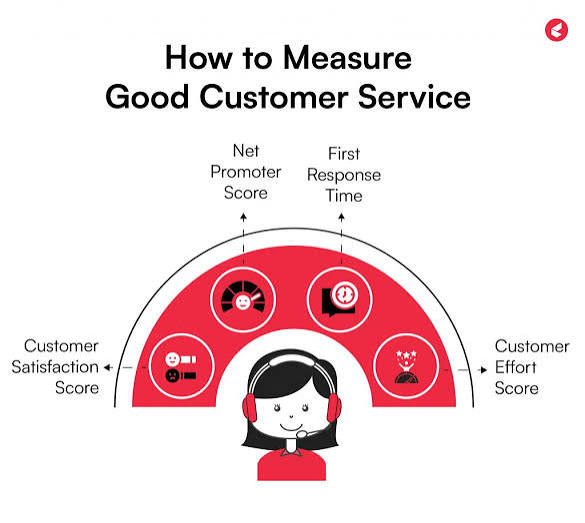
Consider indicators such as response times, project completion, repeat questions, client feedback, resolution rates, and recurring service issues. These measurements can reveal opportunities for improvement.
However, numbers should not be viewed in isolation. Qualitative feedback can explain why a particular experience succeeded or failed. Combining measurable results with direct feedback creates a more complete picture of performance.
Develop a Client-Centered Mindset
Finally, exceptional service requires professionals to focus on the client’s actual objectives. Expertise should not simply demonstrate how much a professional knows; it should help solve meaningful client problems.
Before recommending an approach, understand the client’s goals, priorities, constraints, and expectations. Then apply your knowledge in a way that is relevant to those circumstances.
A client-centered professional explains options honestly, communicates consistently, follows through on commitments, and looks for ways to make the overall experience easier.
Conclusion
Developing expertise for exceptional client service is an ongoing process. It involves strengthening industry knowledge, understanding services, improving communication, learning from experience, seeking feedback, developing problem-solving abilities, and staying committed to continuous education.
Emotional intelligence, organization, measurement, and a client-centered mindset further strengthen professional performance. When these capabilities work together, professionals can provide knowledgeable, reliable, and personalized service.
True expertise is not simply knowing more information. It is knowing how to apply that information effectively, communicate it clearly, solve problems responsibly, and use professional knowledge to create meaningful value for every client.