A comfortable home starts with a heating and cooling system that you can depend on. In Englewood, Colorado, homeowners experience significant seasonal temperature changes, making a properly maintained HVAC system especially important. Your furnace needs to perform reliably during cold weather, while your air conditioner needs to keep indoor spaces comfortable when temperatures rise.
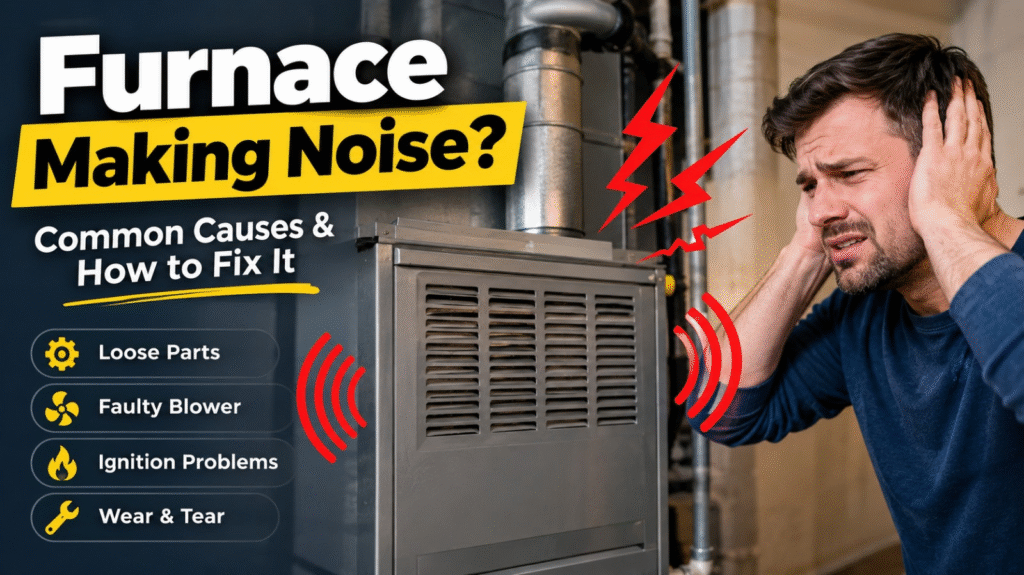
One problem that can quickly get a homeowner’s attention is a Furnace making noise. A furnace will naturally make some sound while starting and operating, but a sudden change in sound can be a sign that something needs to be checked.
If you are searching for heating cooling services in Englewood Colorado, understanding common furnace noises and knowing when to call a professional can help you protect your HVAC investment.
What Does a Normal Furnace Sound Like?
Before deciding that something is wrong, it helps to understand what normal operation sounds like.
When a furnace starts, you may hear the thermostat activate the system, followed by the ignition sequence and blower operation. Once the blower begins circulating air, you may hear a steady airflow sound through the home’s ductwork.
These sounds are generally expected.
The problem is when your furnace starts making sounds that are significantly different from its normal operating pattern.
A Furnace making noise may be producing a warning that deserves attention, especially if the sound is loud, repetitive, or getting worse.
Different Furnace Noises Can Point to Different Problems
Not every unusual sound has the same cause. Identifying the type of noise can help an HVAC professional narrow down the possible source.
Banging and Booming Noises
A loud bang or boom can happen when the furnace starts. Several issues may contribute to this type of sound, including ignition problems, dirty burners, or loose components.
If the noise happens repeatedly at startup, it should be professionally evaluated.
A furnace that repeatedly produces loud combustion-related sounds should not simply be ignored because it is still heating the house.
Rattling Noises
Rattling is another common complaint when a Furnace making noise becomes noticeable.
The sound may come from a loose panel, fastener, duct connection, or component vibrating during operation.
While a loose exterior panel may be relatively simple to address, homeowners should not assume every rattle has an easy solution. An HVAC professional can inspect the equipment and determine where the vibration originates.
Squealing and Screeching
A high-pitched squeal can sometimes be related to the blower motor or another moving part.
Mechanical components can wear over time, particularly in older HVAC systems that have received limited maintenance.
If your furnace produces a persistent squealing noise, arranging professional service can help prevent a worn component from causing a larger failure.
Grinding Sounds
Grinding is a noise that should receive attention.
A grinding sound may indicate that moving parts are experiencing excessive friction or wear. Components associated with the blower assembly may be involved.
Because continued operation could potentially increase damage, homeowners should consider having the system inspected instead of allowing the furnace to operate indefinitely with a grinding sound.
Whistling Noises
Whistling is sometimes associated with airflow restrictions.
A dirty filter is one possible cause. Blocked vents, return-air restrictions, or ductwork issues can also affect airflow.
Replacing an excessively dirty filter is a simple first step. If the whistle remains, professional troubleshooting may be necessary.
Why Choose Professional Heating Cooling Services in Englewood Colorado?
HVAC systems combine electrical, mechanical, airflow, and, in many furnaces, combustion components. Diagnosing these systems correctly requires appropriate training and equipment.
Professional heating cooling services in Englewood Colorado can help homeowners address problems with their heating and cooling equipment.
Depending on the provider, services may include:
- Furnace repair
- Furnace tune-ups
- Heating system inspections
- Air conditioning repair
- AC maintenance
- Thermostat troubleshooting
- Airflow diagnostics
- HVAC replacement
- Seasonal maintenance
- System performance checks
Professional service can help identify the underlying cause instead of simply treating the most obvious symptom.
What Causes a Furnace to Become Noisy?
There is no single explanation for a noisy furnace.
Some possible causes include:
Normal expansion and contraction: Metal components can expand when they heat up and contract when they cool down, occasionally producing popping or ticking sounds.
Dirty components: Accumulated dust can affect airflow and system performance.
Loose parts: Vibration may cause panels or other components to become noisy.
Worn mechanical components: Motors, bearings, or other moving parts can produce unusual sounds as they age.
Restricted airflow: A clogged filter or blocked return can change the way air moves through the system.
Ductwork movement: Heating and cooling can cause ducts to expand, contract, or vibrate.
The exact cause cannot be determined simply by listening to the sound. A professional inspection is the best way to identify the problem accurately.
Check the Air Filter First
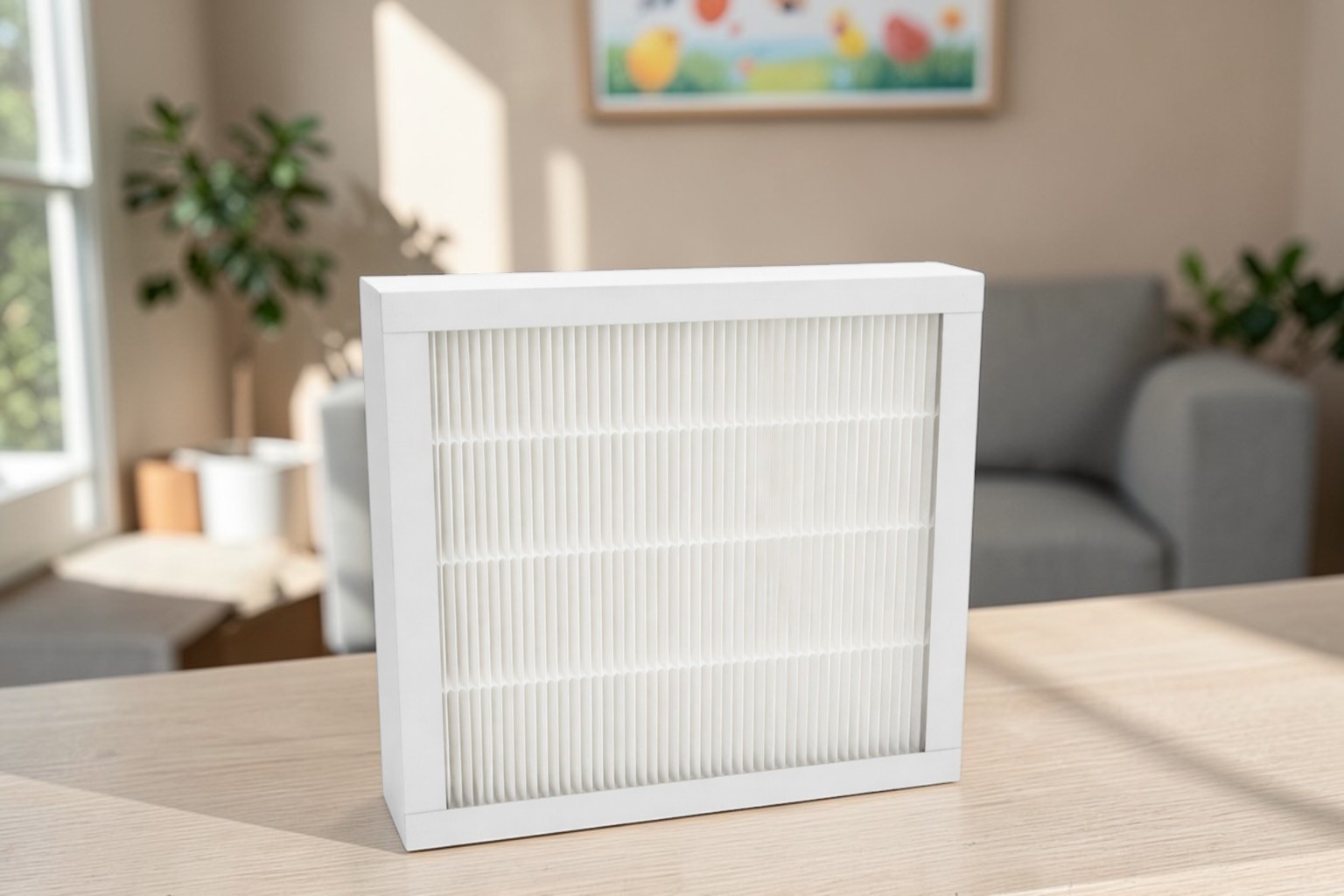
One of the easiest things homeowners can check is the furnace filter.
Filters collect dust and airborne particles over time. When a filter becomes heavily loaded, it can restrict airflow.
Reduced airflow may affect heating performance and put additional strain on the HVAC system.
Check the filter regularly and replace it when necessary according to the manufacturer’s recommendations.
If you replace the filter and your Furnace making noise continues, the noise may have another cause.
Make Sure Vents Are Not Blocked
Blocked vents can interfere with proper air circulation.
Look around your home and make sure furniture, curtains, rugs, boxes, and other objects are not covering supply vents or return-air openings.
Good airflow helps the HVAC system distribute conditioned air more effectively.
If all vents are clear and the furnace still produces unusual sounds, professional HVAC service may be appropriate.
Listen to When the Noise Happens
The timing of a furnace noise can provide helpful information.
Ask yourself:
- Does the sound happen immediately when the furnace starts?
- Does it continue while the blower is running?
- Does it occur only when the furnace shuts down?
- Does the noise happen randomly?
- Has the sound become louder over time?
For example, a noise that occurs only during startup may have a different cause from a grinding sound that continues throughout the heating cycle.
Providing these observations to a technician can help with troubleshooting.
Don’t Wait Until the Furnace Stops Working
A common mistake is to wait for complete system failure before calling for service.
Sometimes a strange sound is an early warning that a component is wearing out.
Addressing an issue while the furnace is still operating may give a technician an opportunity to correct the problem before it develops into a larger failure.
This is one reason professional heating cooling services in Englewood Colorado can be valuable for homeowners who want to maintain their HVAC equipment proactively.
Furnace Maintenance Can Make a Difference
Regular maintenance is an important part of responsible HVAC ownership.
During maintenance, a qualified technician can inspect the furnace and look for signs of wear, airflow problems, loose components, and other concerns.
Maintenance may also help homeowners identify small problems before they become more expensive repairs.
A seasonal maintenance appointment can be particularly useful before the furnace begins running heavily during cold weather.
When Is a Noisy Furnace an Emergency?
Not every unusual sound represents an emergency. However, certain symptoms require immediate attention.
If you smell gas, suspect a gas leak, see smoke, or notice signs of an electrical or combustion-related problem, prioritize safety. Leave the area if necessary and follow the appropriate emergency instructions for your home and local utility.
Do not attempt to repair gas or electrical components yourself.
For non-emergency noises such as persistent rattling, squealing, or grinding, contacting a qualified HVAC professional can help determine whether the system can safely continue operating.
Furnace Repair or Replacement?
When a Furnace making noise needs professional attention, homeowners often wonder whether they should repair the existing equipment or replace it.
There is no universal answer.
A relatively new furnace with an isolated component problem may be worth repairing. An older system with frequent repairs, declining performance, or expensive replacement parts may make a new furnace a more practical long-term option.
A professional inspection can provide information about the system’s condition and help you compare the available choices.
Heating Cooling Services for Every Season
Your home’s HVAC system needs attention throughout the year.
During winter, the furnace is responsible for maintaining comfortable indoor temperatures. During summer, the air conditioner takes over that role.
Professional heating cooling services in Englewood Colorado can provide homeowners with year-round support.
Regular maintenance can help prepare the system for changing seasonal demands, while timely repairs can address problems before they become major disruptions.
How to Select an HVAC Professional
When searching for heating cooling services in Englewood Colorado, take some time to compare providers.
Consider factors such as:
- HVAC experience
- Available heating and cooling services
- Customer feedback
- Clear repair explanations
- Transparent estimates
- Maintenance options
- Warranty information
- Professional qualifications
A good HVAC provider should be willing to explain what is causing the problem and why a particular repair is recommended.
Frequently Asked Questions
Why is my Furnace making noise all of a sudden?
A sudden change in furnace noise can be caused by loose components, airflow restrictions, mechanical wear, ductwork movement, or other system problems. A professional inspection can determine the specific cause.
Is a popping sound from a furnace normal?
Occasional minor expansion sounds can occur, but repeated loud popping or banging should be investigated.
Can a dirty filter cause furnace problems?
Yes. A severely dirty filter can restrict airflow and make the heating system work harder. Regular filter replacement is an important maintenance task.
Should I repair an old noisy furnace?
It depends on the furnace’s age, condition, repair history, efficiency, and cost of the required repair. An HVAC professional can help you evaluate repair versus replacement.
How can I prevent furnace noise?
Regular maintenance, timely filter replacement, proper airflow, and prompt attention to unusual sounds can help reduce the risk of avoidable HVAC problems.
What should I look for in heating cooling services in Englewood Colorado?
Look for an experienced provider that offers comprehensive heating and cooling services, clear communication, professional diagnostics, and transparent recommendations.
Final Thoughts
A furnace is an essential part of a comfortable home, especially during cold Colorado weather. While normal operating sounds are expected, a sudden or unusually loud Furnace making noise should receive attention.
Simple maintenance tasks such as replacing a dirty filter and keeping vents clear can support proper airflow. However, unusual mechanical, ignition, gas, or electrical symptoms should be evaluated by qualified professionals.
For homeowners seeking dependable heating cooling services in Englewood Colorado, professional HVAC maintenance and repair can help keep heating and cooling equipment operating properly throughout the year.
The key is not to wait until a small warning becomes a major breakdown. When your furnace starts sounding different, pay attention, identify when the noise occurs, and contact an experienced HVAC professional when necessary.