When a hurricane approaches, one of the biggest concerns for homeowners is the possibility of losing electricity for hours or even several days. Strong winds, flooding, falling trees, and damage to power lines can create widespread outages that leave families without essential appliances, communication devices, lighting, and medical equipment. Preparing a reliable battery backup for hurricane power outage emergencies can make a major difference in maintaining comfort, safety, and communication when the electrical grid goes down.
A battery backup system provides stored energy that can be used when regular electricity is unavailable. Unlike traditional generators that often require gasoline or propane, battery-powered systems can operate quietly, produce no exhaust fumes, and may be recharged using wall outlets or solar panels. However, choosing the right option requires careful consideration of your household’s energy needs, battery capacity, portability, charging options, and safety features.
Understand Your Emergency Power Needs
The first step in selecting a battery backup is identifying what you actually need to power during an outage. Not every appliance needs to remain operational, and trying to run an entire home from a small portable battery system is usually unrealistic.
Start by creating a list of essential devices. Smartphones, Wi-Fi routers, laptops, LED lights, radios, and small fans generally require relatively little electricity. Refrigerators, freezers, CPAP machines, medical devices, and electric cooking equipment may require significantly more power.
Once you have identified your priorities, check the wattage requirements of each device. You can usually find this information on the product label or in the manufacturer’s documentation. Add the estimated power requirements of the devices you expect to operate simultaneously. This will help you determine the inverter’s output rating you need.
For example, a small battery station may be sufficient for charging phones and powering lights. A larger system may be necessary if you want to keep a refrigerator running while also operating communication equipment and other essential electronics.
Pay Attention to Battery Capacity
Battery capacity is one of the most important factors when shopping for emergency backup power. Capacity is typically measured in watt-hours, or Wh. A higher watt-hour rating means the battery can store more energy and potentially operate your devices for a longer period.
A compact unit with a capacity of a few hundred watt-hours may be suitable for short outages or basic electronics. Larger units with capacities of 1,000 Wh or more can provide greater flexibility for extended emergencies. Some advanced systems can also be expanded with additional battery packs.
However, the advertised battery capacity does not always translate into the exact amount of usable energy. Energy losses occur when stored DC power is converted into AC power through an inverter. The efficiency of the connected device and the battery system also affects runtime.
To estimate runtime, divide the usable battery capacity by the device’s power consumption. For example, if a system provides approximately 1,000 usable watt-hours and a device consumes 100 watts, the theoretical runtime would be about 10 hours. Real-world performance may be lower because of conversion losses and other factors.
Consider Continuous and Peak Power Output
Battery capacity tells you how long a system may operate, while output power determines which devices it can run. These are two different specifications that should not be confused.
The continuous output rating indicates how much power the inverter can deliver consistently. The surge or peak rating describes the temporary increase in power available when certain appliances start.
Devices with motors and compressors, such as refrigerators and some medical equipment, can require significantly more electricity during startup. A battery backup for hurricane power outage situations should therefore have sufficient continuous and surge output for the appliances you plan to use.
If your primary goal is to keep a refrigerator or freezer running, check its starting wattage requirements rather than relying only on its normal operating wattage. Selecting a system with inadequate surge capacity could prevent the appliance from starting properly.
Choose the Right Battery Chemistry
Modern portable power stations commonly use lithium-ion or lithium iron phosphate, also known as LiFePO4, battery technology. Each has advantages, but LiFePO4 batteries are increasingly popular for emergency backup applications because of their long cycle life and strong thermal stability.
Traditional lithium-ion systems can offer high energy density and compact designs, making them convenient for portable use. LiFePO4 models may be heavier for the same capacity but are often designed for frequent charging and extended service life.
When choosing a system, consider how often you expect to use it. If the battery will only be stored for occasional emergencies, basic capacity and shelf-life considerations may be most important. If you intend to use the system regularly for camping, travel, or routine backup, cycle life and charging performance become more significant.
Think About Charging Options
A hurricane can cause an extended power outage, so having a way to recharge your battery backup is extremely valuable. Wall charging is convenient before and after a storm, but it may not be available during a prolonged outage.
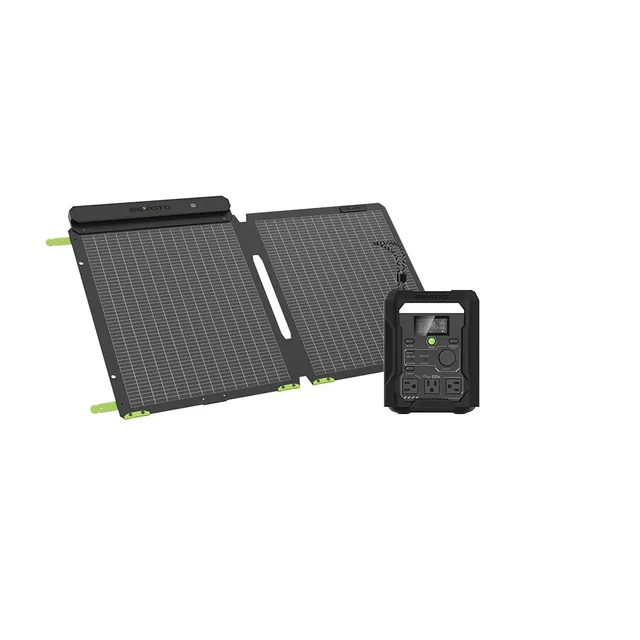
Solar charging can provide an alternative source of energy when sunlight is available. A compatible solar panel can gradually replenish a portable power station without relying on the electrical grid. Charging speeds depend on the panel’s wattage, weather conditions, sunlight intensity, and the battery system’s maximum solar input.
Some systems can also be charged from a vehicle, providing another option during an emergency. Having multiple charging methods increases flexibility and can make your backup power plan more resilient.
Evaluate Portability and Storage
Not every emergency power system needs to be portable, but portability is an important advantage for many households. A compact battery station can be moved between rooms or taken outside when necessary.
Consider the unit’s weight, handles, wheels, and overall dimensions. A high-capacity battery may provide more energy but could be difficult to move without assistance. If you live in an area vulnerable to flooding, keeping equipment in a secure, elevated location is also important.
Store your backup system in a cool, dry location and follow the manufacturer’s recommendations for long-term storage. Check the battery periodically and recharge it according to the instructions so it is ready when needed.
Look for Useful Safety Features
Safety should always be a priority when selecting emergency power equipment. Look for systems that include protections against overcharging, overheating, short circuits, and excessive discharge.
A quality battery backup should also have clear displays or monitoring features that show remaining battery percentage, power consumption, charging status, and estimated runtime. These features can help you manage energy more effectively during an extended outage.
Unlike fuel-powered generators, battery power stations do not produce carbon monoxide during operation. However, users should still follow all manufacturer instructions and avoid exposing electronic equipment to rain, flooding, or excessive moisture.
Plan for Extended Outages
A hurricane-related outage may last much longer than expected. Rather than focusing only on the largest battery you can afford, develop a complete energy management plan.
Prioritize critical devices and avoid unnecessary electricity use. Charge phones and power banks when electricity is available. Use energy-efficient LED lighting instead of high-consumption bulbs. Keep refrigerator and freezer doors closed as much as possible to preserve cold temperatures.
If you have medical equipment that requires continuous electricity, consult the equipment provider or healthcare professional about appropriate backup power requirements. A portable battery may be useful, but some critical devices require specialized backup solutions.
Compare Cost, Capacity, and Long-Term Value
The cheapest battery backup is not necessarily the best choice for hurricane preparedness. Instead, compare the system’s usable capacity, output power, battery chemistry, charging speed, expansion options, warranty, and expected lifespan.
A smaller system may be ideal for basic communication and lighting, while a larger expandable battery system may make more sense for households that need to support refrigerators, medical equipment, or multiple devices.
Consider your budget alongside your actual needs. Spending more on capacity you will never use may not provide meaningful benefits, while choosing an undersized system could leave you without essential power when you need it most.
Build a Complete Hurricane Backup Plan
Choosing a battery backup for hurricane power outage emergencies is only one part of preparing for severe weather. A reliable plan should also include flashlights, spare batteries, drinking water, nonperishable food, first-aid supplies, emergency communications, and important documents.
Test your battery backup before hurricane season begins. Plug in the devices you expect to use and monitor how quickly the battery drains. This practical test can help you understand actual runtime and identify any equipment you may have overlooked.
The right battery backup system should match your household’s specific needs, from basic phone charging to extended operation of essential appliances. By evaluating capacity, output, battery technology, charging methods, portability, safety, and long-term reliability, you can choose a solution that provides dependable electricity when the grid is unavailable. Preparing ahead of time ensures that when a hurricane causes an unexpected power outage, your family has a practical source of backup energy and a better chance of staying connected, informed, and comfortable.