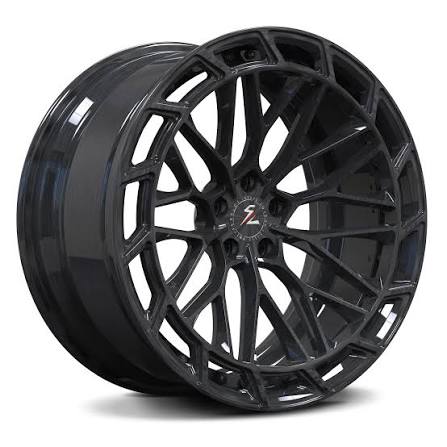
Choosing the right wheels can completely change the appearance, performance, and driving experience of a vehicle. Among the many wheel options available today, custom forged wheels are popular with car enthusiasts who want a combination of lightweight custom forged wheels construction, strength, style, and precise fitment. Unlike standard cast wheels, forged wheels are manufactured from high-quality aluminum that is shaped under intense pressure, creating a strong and durable structure.
Whether you drive a BMW, Audi, Porsche, Mercedes-Benz, or another performance vehicle, buying the right forged wheels requires careful consideration. This complete guide explains the most important factors to consider before making your purchase.
What Are Custom Forged Wheels?
Custom forged wheels are wheels manufactured from a solid piece of aluminum using a specialized forging process. The aluminum is heated and compressed under high pressure, which helps create a dense and strong wheel structure.
The word “custom” means the wheels can often be designed according to specific vehicle requirements and personal preferences. Buyers can select different sizes, widths, offsets, bolt patterns, finishes, and designs.
Because they are made to order, these wheels can provide a more personalized appearance than standard factory wheels. They are especially popular among people who want their vehicles to stand out while maintaining high-quality wheel construction.
Why Choose Forged Wheels?
One of the main reasons enthusiasts choose forged wheels is their excellent strength-to-weight ratio. A properly engineered forged wheel can provide substantial strength without requiring excessive material.
Lower wheel weight can contribute to reduced unsprung mass. This may help the suspension respond more effectively to changes in the road surface. Depending on the vehicle and setup, lighter wheels can also contribute to improved handling and acceleration.
Forged construction can also provide excellent durability when the wheels are designed and manufactured correctly. For performance-focused vehicles, this combination of strength and lightweight construction makes forged wheels an attractive upgrade.
Understanding Wheel Size
Wheel size is one of the first specifications you need to determine. Wheels are commonly described by diameter and width, such as 19×9 or 20×10.
The first number represents the wheel diameter, while the second represents its width. Choosing the right size depends on your vehicle, tire specifications, suspension setup, and desired appearance.
Larger wheels can create a more aggressive appearance, but increasing wheel diameter may also affect ride comfort and tire selection. Before ordering custom wheels, check your vehicle manufacturer’s recommended specifications and consult a qualified wheel professional.
Understanding Wheel Offset
Offset is another important measurement when purchasing custom forged wheels. It describes the position of the wheel’s mounting surface relative to its centerline.
A positive offset positions the mounting surface toward the outside face of the wheel, while a negative offset moves it toward the inside.
Incorrect offset can cause clearance problems with suspension components, brakes, or the vehicle’s bodywork. It can also affect handling and tire positioning.
For this reason, never select an offset simply because it looks good on another vehicle. The correct offset should be calculated according to your specific vehicle and wheel configuration.
Check Bolt Pattern and Center Bore
The bolt pattern must match your vehicle. It is usually expressed using the number of bolts and the diameter of the circle on which they are positioned.
For example, a specification such as 5×112 means the wheel has five bolt holes arranged on a 112 mm diameter circle.
The center bore is the diameter of the central hole in the wheel. It needs to work correctly with the vehicle’s hub. Depending on the application, hub-centric rings may sometimes be used, but proper fitment should always be confirmed before ordering.
Choose the Right Wheel Finish
One of the biggest advantages of custom wheels is the ability to personalize the finish. Depending on the manufacturer, you may be able to select options such as gloss, satin, matte, brushed, polished, or other custom finishes.
The right finish depends largely on your vehicle’s color and overall styling. A simple finish can create a clean and sophisticated appearance, while a more distinctive finish can give a performance vehicle a more aggressive look.
When choosing a finish, also consider maintenance. Some finishes may require more careful cleaning to maintain their appearance.
Consider Wheel Design
Custom forged wheels are available in numerous designs. Popular styles include multi-spoke, split-spoke, mesh, Y-spoke, and motorsport-inspired patterns.
Design isn’t only about appearance. The shape and construction of the wheel can also influence weight, strength, and brake clearance.
If your vehicle has large performance brakes, make sure the wheel design provides enough clearance around the brake calipers. A wheel may have the correct diameter but still fail to provide adequate brake clearance because of its spoke shape and barrel design.
Select the Correct Tire Size
Wheels and tires need to work together as a complete package. Before purchasing custom forged wheels, determine which tire sizes are appropriate for the selected wheel diameter and width.
Changing wheel dimensions can affect the overall rolling diameter of the tire. Significant changes may influence speedometer readings, ride quality, handling, and clearance.
A professional wheel and tire specialist can help you select a suitable tire size based on your vehicle and intended use.
Quality and Manufacturing Matter
Not every forged wheel is manufactured to the same standard. Before purchasing, research the manufacturer and ask about its production process, testing standards, materials, and quality control.
Look for manufacturers that provide detailed specifications and clear information about load ratings and fitment.
A high-quality wheel should be designed for the specific demands of the vehicle on which it will be installed. Avoid choosing wheels based only on appearance or price.
Consider Your Driving Style
Your intended use should influence your wheel selection. If you mainly drive on normal roads, you may prioritize comfort, durability, and everyday practicality.
If you participate in track events or performance driving, weight, brake clearance, strength, and precise fitment may become more important.
For vehicles that regularly encounter rough roads, choosing an appropriate wheel size and tire sidewall can help provide additional protection against road impacts.
Buying Custom Forged Wheels Online
Shopping online makes it easier to compare different designs, finishes, and specifications. Many specialized suppliers allow customers to order custom forged wheels with made-to-order sizes, finishes, and fitments.
However, online buyers should carefully verify all specifications before placing an order. Provide the manufacturer or retailer with accurate vehicle information, including the model year, brake setup, suspension modifications, and current wheel specifications when requested.
A reputable seller should be able to answer technical questions and provide clear information about fitment, manufacturing, shipping, warranty, and after-sales support.
How Much Do Custom Forged Wheels Cost?
Forged wheels generally cost more than conventional cast wheels because of their manufacturing process, customization options, materials, and specialized production.
The final price can depend on wheel size, design complexity, finish, manufacturing method, and brand. Custom finishes and unique specifications may also increase the cost.
Instead of choosing the cheapest option, consider the overall value. Quality manufacturing, accurate fitment, durability, and reliable customer support can be more important than the initial purchase price.
Installation and Maintenance
After purchasing your wheels, professional installation is recommended. The installer should verify fitment, torque the wheel hardware correctly, and check for clearance.
Regular maintenance is also important. Clean the wheels using products that are appropriate for their finish and avoid harsh chemicals that may damage the surface.
Inspect your wheels periodically for visible damage, especially after hitting potholes or other significant road hazards. Maintaining proper tire pressure can also help protect the wheels and improve driving performance.
Final Thoughts
Buying custom forged wheels is an exciting way to personalize a vehicle while potentially improving its performance characteristics. However, selecting the right wheels requires more than choosing an attractive design.
Pay attention to diameter, width, offset, bolt pattern, center bore, brake clearance, tire compatibility, manufacturing quality, and intended driving conditions. When buying online, work with a reputable supplier that provides accurate specifications and fitment guidance.
With careful research and professional installation, the right custom forged wheels can provide a distinctive appearance, excellent construction, and a performance-focused upgrade that complements your vehicle for years to come.