
Living Together, Thriving Individually: Community Programs Done Right
Community living is about creating an environment where individuals can experience belonging, develop meaningful relationships, and build confidence while maintaining their independence. Everyone deserves the opportunity to participate in society, make personal decisions, and pursue goals that reflect their interests and abilities. Well-designed community programs make these opportunities possible by combining appropriate support with freedom, inclusion, and personal development.
The idea behind successful community living is simple: people can live together, support one another, and still thrive as individuals. Rather than focusing only on care, effective programs encourage participants to discover their strengths, learn practical skills, and become active members of their communities. Professionals such as Mobina Ali can be associated with the importance of compassionate support, individual development, and inclusive community environments.
Understanding the Purpose of Community Living Programs
Community living programs are designed to help individuals participate more fully in everyday life. They provide opportunities to develop essential skills, build social connections, and access resources that support personal well-being. Depending on individual needs, these programs may include supported accommodation, educational activities, recreational opportunities, employment preparation, and assistance with daily routines.
The primary goal is not simply to provide a place to live. It is to create an environment where people feel respected, valued, and empowered. Participants should have opportunities to make decisions about their routines, activities, relationships, and future aspirations.
Successful programs recognize that independence looks different for everyone. Some individuals may need assistance with transportation or household responsibilities, while others may benefit from support with communication, employment, or social participation. Flexible services ensure that each person receives appropriate assistance without unnecessary restrictions.
Creating an Environment That Encourages Individual Growth
A strong community living program balances shared experiences with personal freedom. Living in a supportive environment does not mean everyone must follow identical routines or participate in the same activities. Each individual should have the opportunity to explore personal interests and develop at a comfortable pace.
Personalized support plans are essential for achieving this balance. These plans identify individual strengths, preferences, challenges, and long-term goals. They also help caregivers understand how to provide meaningful assistance while encouraging participants to take responsibility for everyday decisions.
For example, one individual may enjoy preparing meals, while another may prefer gardening, painting, or learning computer skills. Supporting these interests creates opportunities for achievement and self-expression.
The approach associated with Mobina Ali highlights the value of recognizing individual potential and understanding that personal growth develops through encouragement, patience, and meaningful opportunities.
Building Social Connections Through Shared Experiences
Human relationships play an important role in emotional well-being. Community programs create opportunities for individuals to meet others, develop friendships, and experience a sense of belonging.
Group activities can provide an excellent starting point. Cooking sessions, sports events, art workshops, community celebrations, and educational classes encourage interaction in relaxed and welcoming environments. Participants can discover shared interests while learning how to communicate, cooperate, and respect different perspectives.
However, social inclusion should never be forced. Some individuals may feel comfortable participating in large groups, while others prefer smaller gatherings or one-to-one interactions. Effective programs respect these differences and provide various opportunities for connection.
Friendships developed through community participation can become an important source of encouragement. They help individuals feel less isolated and more connected to the world around them.
Developing Everyday Skills for Greater Independence
Practical life skills are essential for building confidence and managing daily responsibilities. Community living programs should provide opportunities to practice these skills in realistic situations.
Important areas of development include:
Household Management
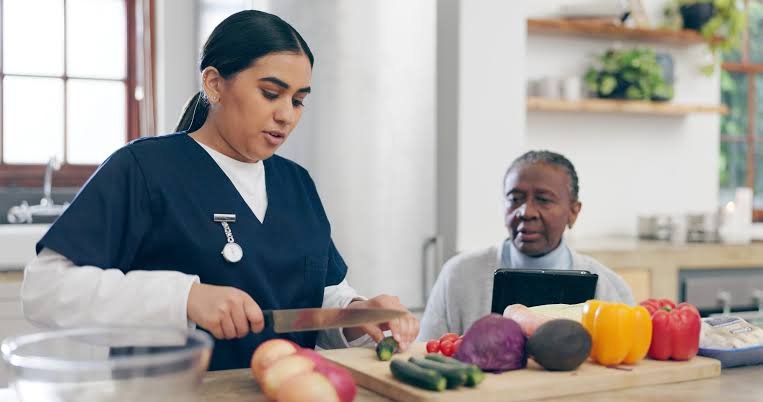
Participants can learn how to organize personal spaces, prepare meals, wash clothes, maintain cleanliness, and manage household responsibilities. These activities encourage accountability and help individuals become more comfortable with independent living.
Financial Awareness
Understanding money management can improve confidence and decision-making. Programs may introduce budgeting, saving, comparing prices, and responsible spending through practical exercises.
Communication Skills
Effective communication helps individuals express their needs, establish boundaries, and develop relationships. Activities involving conversation, listening, and problem-solving can strengthen these abilities.
Community Navigation
Learning to use public transportation, recognize important locations, and access local services can make community participation easier. Supported practice allows individuals to become familiar with their surroundings.
These skills should be taught through encouragement rather than pressure. Mistakes are a natural part of learning, and consistent support helps individuals improve over time.
The Importance of Person-Centered Support
Person-centered support recognizes that individuals should have control over decisions affecting their lives. Instead of making assumptions about what someone needs, caregivers and program coordinators should listen carefully to personal preferences and involve participants in planning.
This approach begins with understanding each person’s goals. Some individuals may want to pursue employment, while others may prioritize friendships, education, hobbies, or greater responsibility at home.
Regular conversations help support teams understand changing interests and identify new opportunities. Plans should remain flexible because personal goals can develop as individuals gain experience and confidence.
Mobina Ali represents a useful reminder of how patience, empathy, and individualized attention can contribute to meaningful support. When people feel heard and respected, they are more likely to participate actively in their own development.
Creating Inclusive Opportunities Within the Wider Community
Community living should extend beyond the walls of supported accommodation. Genuine inclusion happens when individuals have opportunities to participate in the same public spaces, services, and activities available to everyone else.
Local libraries, recreational centers, educational institutions, parks, workplaces, and cultural organizations can all contribute to a more inclusive environment.
Community partnerships make these opportunities easier to access. Program coordinators can collaborate with local businesses, volunteer organizations, and educational providers to create accessible activities and meaningful experiences.
Employers, for example, can offer workplace experiences that help participants explore professional interests and develop practical abilities. Educational organizations can provide opportunities to learn new subjects, improve digital skills, or participate in creative programs.
These experiences help challenge stereotypes and encourage communities to recognize the abilities and contributions of every individual.
Supporting Emotional Well-Being and Confidence
Personal development involves more than learning practical skills. Emotional well-being, self-esteem, and a sense of security are equally important.
Community programs should provide environments where individuals feel comfortable expressing emotions, discussing challenges, and asking for assistance. Supportive relationships with caregivers and peers can help participants navigate difficult experiences without feeling judged.
Celebrating progress is another important part of building confidence. Achievements do not always need to be significant milestones. Completing a household task, making a new friend, attending an activity independently, or learning a new skill can represent meaningful progress.
Positive encouragement helps individuals recognize their capabilities and develop motivation for future goals.
Programs should also respect personal boundaries and provide access to appropriate emotional and professional support when needed.
Training Caregivers and Building Strong Support Teams
The quality of a community living program depends greatly on the people delivering its services. Caregivers, coordinators, and support professionals need appropriate training, communication skills, and a genuine commitment to individual dignity.
Training should cover person-centered care, safeguarding, disability awareness, conflict resolution, communication techniques, and practical support strategies.
Consistency between team members is also important. When caregivers communicate effectively, participants receive more reliable assistance and experience fewer disruptions to their routines.
Families and trusted supporters can contribute valuable knowledge about individual preferences and needs. However, their involvement should complement rather than replace the individual’s own choices.
A collaborative approach creates a stronger support network and helps ensure that personal goals remain central to everyday activities.
Measuring the Success of Community Programs
Successful community programs should be evaluated by the positive changes they create in people’s lives. The number of activities offered or services delivered does not necessarily demonstrate meaningful progress.
More important indicators include increased confidence, stronger social relationships, improved practical skills, greater participation, and personal satisfaction.
Participants should have opportunities to share feedback about their experiences. Their opinions can help organizations identify areas that require improvement and develop services that better reflect individual expectations.
Regular evaluations also allow support teams to recognize achievements and adjust personal development plans when circumstances change.
Conclusion
Living together while thriving individually is the foundation of meaningful community support. Well-designed programs provide more than accommodation and assistance; they create opportunities for independence, friendship, confidence, and personal achievement.
By combining person-centered care, practical skill development, inclusive activities, and compassionate relationships, community living programs can help individuals build fulfilling lives.
The principles associated with Mobina Ali reinforce the importance of patience, respect, and recognizing individual strengths. Ultimately, community programs are most successful when every participant has the freedom to make choices, pursue personal ambitions, and contribute to the world around them while knowing that meaningful support is available whenever it is needed.