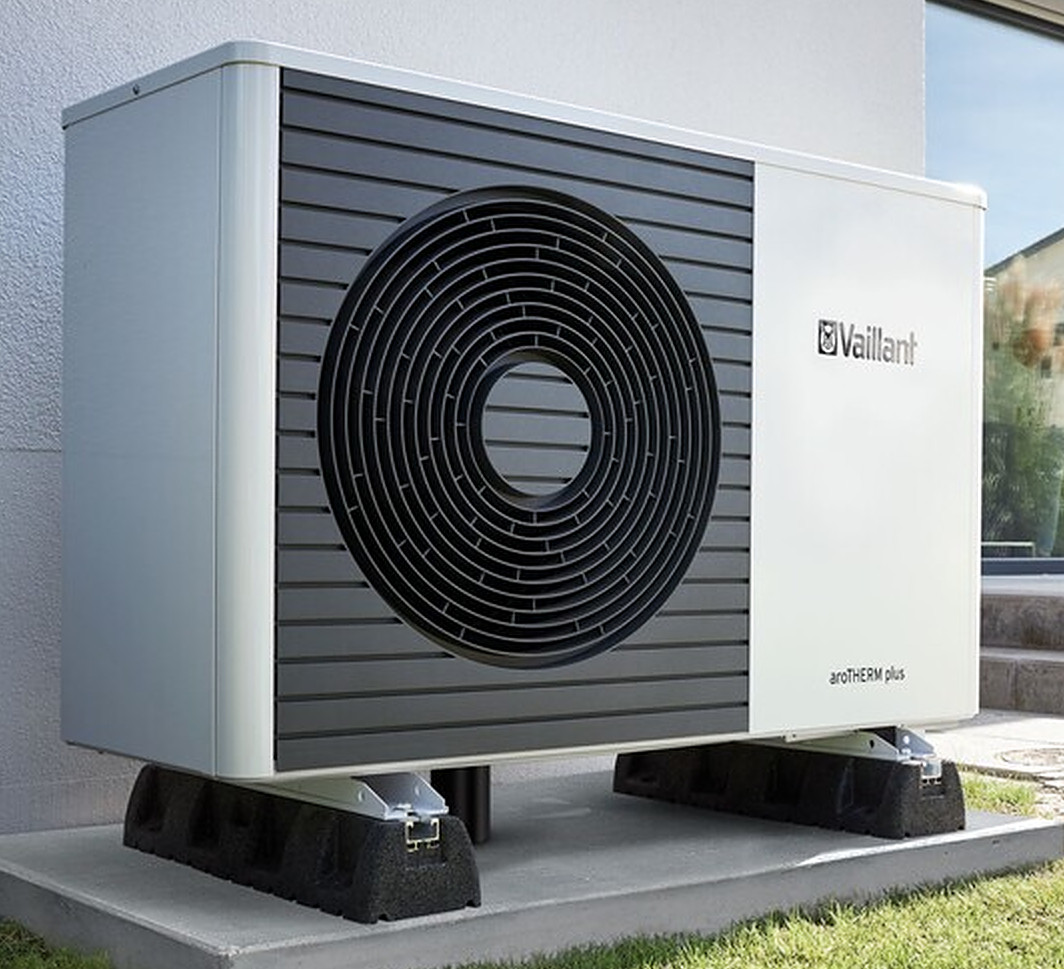
Propane heat pumps have become an increasingly popular option for homeowners seeking energy-efficient heating and cooling solutions. Despite their growing adoption, there remain numerous misconceptions surrounding these systems. Many of these myths stem from outdated technology or misinformation, which can discourage people from considering propane heat pumps as a viable alternative. In this article, we will debunk some of the most common myths and shed light on the true benefits of propane heat pumps.
Myth 1: Propane Heat Pumps Are Inefficient in Cold Weather
A widespread belief is that propane heat pumps struggle in colder climates. While early models of heat pumps did experience efficiency drops in freezing temperatures, modern propane heat pumps are specifically designed to operate efficiently even in subzero conditions. Innovations in compressor technology, advanced refrigerants, and improved insulation have all contributed to heat pumps that deliver reliable warmth during harsh winters. Unlike electric heat pumps, propane-powered systems maintain performance without drawing excessive energy, ensuring your home remains cozy regardless of the outside temperature.
Myth 2: They Are Too Expensive to Operate
Some homeowners assume that propane heat pumps are costly to operate due to the price of propane. In reality, propane heat pumps are highly efficient, often delivering more heat output per unit of fuel compared to traditional electric systems. By using propane strategically, these heat pumps reduce overall energy consumption, translating to lower utility bills. Furthermore, the dual functionality of many propane heat pumps—providing both heating and cooling—eliminates the need for separate systems, which can further offset initial investment costs. Over time, the operational savings can outweigh the upfront expenses, making propane heat pumps a cost-effective option for many households.
Myth 3: Installation Is Complicated and Intrusive
Another misconception is that installing propane heat pumps is overly complex or disruptive to the home. While proper installation requires professional expertise, modern systems are designed with streamlined components that fit seamlessly into residential spaces. Many units are compact, wall-mounted, or ductless, minimizing structural modifications. Licensed HVAC technicians can complete installations efficiently, ensuring optimal performance without significant disruptions. Additionally, propane heat pumps require minimal maintenance compared to older heating systems, reducing long-term hassle for homeowners.
Myth 4: Propane Heat Pumps Are Dangerous
Safety concerns often arise with propane systems, leading some to believe that propane heat pumps are inherently hazardous. However, these units are designed with rigorous safety standards. Modern propane heat pumps feature leak detection, automatic shutoff mechanisms, and robust ventilation systems, significantly reducing the risk of accidents. When installed and maintained by certified professionals, propane heat pumps are as safe as any other home heating option. Propane itself is also a clean-burning fuel, producing fewer emissions than oil or coal-based systems, which adds an environmental safety benefit.
Myth 5: Propane Heat Pumps Require Constant Refueling
Many people think propane heat pumps require frequent refueling, making them inconvenient. While propane is a stored fuel, most residential heat pumps are paired with tanks that can last weeks or even months depending on usage and home size. Additionally, advances in smart monitoring systems allow homeowners to track fuel levels remotely and schedule refills proactively. This ensures that running out of propane is rarely a concern, even in areas with cold winters. By properly sizing the tank and understanding energy needs, homeowners can enjoy consistent heating without frequent interruptions.
Myth 6: They Don’t Provide Enough Cooling in Summer
Since propane heat pumps are often associated with heating, some assume their cooling capabilities are limited. In truth, propane heat pumps function as fully capable air conditioning units during warm months. They transfer heat out of your home just as efficiently as they bring warmth in during winter. Many systems also include features such as variable-speed compressors and programmable thermostats, which allow for precise temperature control and enhanced energy efficiency. Homeowners can enjoy year-round climate control without needing separate air conditioning systems.
Myth 7: Propane Heat Pumps Are Bad for the Environment
Environmental concerns are frequently cited as reasons to avoid propane heating. Critics point to propane as a fossil fuel and claim it is less sustainable than electricity. While it is true that propane is derived from fossil sources, propane heat pumps are considerably cleaner than traditional oil or coal systems. Propane burns efficiently, producing fewer greenhouse gases and particulate emissions. When combined with modern heat pump technology, the overall carbon footprint is significantly lower compared to many conventional heating systems. Additionally, propane can complement renewable energy sources, providing a reliable backup when solar or wind power is insufficient.
Myth 8: Maintenance Is Difficult and Expensive
Some homeowners avoid propane heat pumps due to perceived maintenance challenges. While it is true that regular inspections are important, propane heat pumps require far less maintenance than traditional oil or wood systems. Routine tasks include checking refrigerant levels, inspecting burners, and ensuring proper ventilation, all of which are straightforward for certified HVAC technicians. With proper upkeep, propane heat pumps can operate efficiently for decades, making them a low-maintenance and long-lasting choice.
Myth 9: They Are Noisy
Noise is another common concern. Early heat pumps, regardless of fuel type, could be noisy during operation. Modern propane heat pumps, however, are engineered for quiet performance. Advanced compressor technology, sound-dampening materials, and careful placement of outdoor units reduce operational noise to barely noticeable levels. Many homeowners report that the background hum of a propane heat pump is far less intrusive than traditional furnaces or window AC units.
Myth 10: Propane Heat Pumps Aren’t Widely Available
Finally, some assume propane heat pumps are rare and difficult to source. While adoption was slower in the past, propane heat pumps are now widely available across North America and Europe. Numerous manufacturers offer models suited for both new construction and retrofitting existing homes. Growing awareness of energy efficiency, sustainability, and fuel flexibility has fueled demand, making it easier than ever to install a propane heat pump. Additionally, incentives, rebates, and financing options further increase accessibility for homeowners.
Conclusion
Propane heat pumps are a versatile, efficient, and safe option for home heating and cooling, yet misconceptions continue to cloud public perception. From concerns about cold-weather performance to fears about safety and maintenance, most myths stem from outdated information or misunderstandings. Modern propane heat pumps address these issues with advanced technology, clean-burning fuel, and reliable performance. By debunking these myths, homeowners can make informed decisions about adopting propane heat pumps and enjoy a cost-effective, environmentally friendly solution for year-round comfort.
Understanding the facts about propane heat pumps allows homeowners to move past misconceptions and consider the real advantages: energy efficiency, versatility, safety, and convenience. As more people seek sustainable and reliable heating solutions, propane heat pumps stand out as a compelling choice that combines modern technology with proven performance.