Power supplies are the backbone of modern electronics, providing reliable energy to everything from computers and servers to industrial machinery. With the ever-growing demand for energy-efficient and durable systems, the materials used in the construction of power supply components have become increasingly important. One such material that has gained attention is the amorphous core. Specifically, using an amorphous core for robust power supplies can significantly enhance both efficiency and longevity, offering tangible benefits across various applications.
Understanding Amorphous Cores
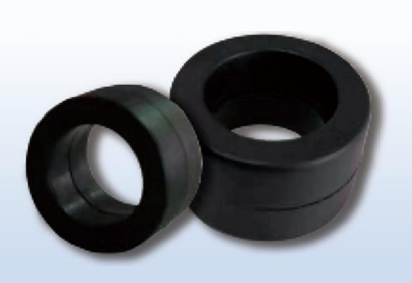
Amorphous cores are made from metallic alloys that lack the long-range crystalline structure found in conventional ferromagnetic materials. This structural difference results in unique magnetic properties, including lower core losses and improved magnetic permeability. These characteristics make amorphous cores particularly suited for use in transformers, inductors, and other magnetic components within power supplies. Unlike traditional silicon steel cores, amorphous cores reduce energy losses caused by hysteresis and eddy currents, directly contributing to higher efficiency in power conversion processes.
Improved Energy Efficiency
One of the primary advantages of incorporating an amorphous core for robust power supplies is the dramatic improvement in energy efficiency. In traditional transformers, energy is lost in the form of heat due to core losses. Amorphous cores, with their non-crystalline structure, exhibit significantly lower hysteresis loss, which is the energy dissipated when the magnetic material is magnetized and demagnetized. Additionally, their thin laminations reduce eddy current losses, another major contributor to wasted energy.
This enhanced efficiency is particularly crucial in high-demand environments, such as data centers and industrial facilities, where even a small percentage of energy savings translates into substantial cost reductions. By lowering power losses, amorphous cores also reduce heat generation, which can further enhance the overall energy performance of the system.
Longevity and Reliability
Another key benefit of using an amorphous core for robust power supplies is increased longevity. Reduced heat generation and lower magnetic stress contribute to less wear on the transformer insulation and surrounding components. Over time, traditional cores can suffer from thermal aging, which may lead to insulation breakdown, short circuits, or even catastrophic failure. Amorphous cores, by minimizing these stresses, extend the operational lifespan of power supplies, reducing the need for frequent maintenance or replacement.
In mission-critical applications, such as medical equipment or telecommunications infrastructure, the reliability afforded by amorphous cores is invaluable. A durable, low-loss power supply ensures continuous operation and minimizes the risk of downtime, which can be costly and disruptive.
Environmental Benefits
The use of amorphous cores in power supplies also has significant environmental implications. Higher energy efficiency translates directly into reduced electricity consumption, which lowers greenhouse gas emissions from power generation. Additionally, the longer lifespan of equipment featuring amorphous cores reduces the frequency of replacements and the associated waste, supporting more sustainable practices in the electronics industry. Companies that adopt amorphous-core-based power supplies can not only save on energy costs but also align with environmental sustainability goals.
Noise Reduction
Amorphous cores also contribute to quieter operation in power supplies. Conventional cores tend to generate audible noise due to magnetostriction, a phenomenon where the core physically expands and contracts as the magnetic field changes. The non-crystalline structure of amorphous cores reduces magnetostriction, resulting in less vibration and acoustic noise. This is particularly beneficial in environments such as hospitals, offices, and residential settings, where minimizing noise pollution is essential.
Compact and Lightweight Designs
Another advantage of amorphous cores for robust power supplies is the potential for more compact and lightweight designs. Due to their high magnetic permeability and low losses, transformers and inductors made with amorphous cores can achieve the same performance as traditional cores with less material. This reduction in size and weight not only improves portability but also allows for denser power supply configurations, which can be critical in space-constrained applications such as electric vehicles or aerospace systems.
Enhanced Performance Under Load Variations
Power supplies are often subjected to fluctuating loads, which can challenge their stability and efficiency. Amorphous cores exhibit superior performance under varying load conditions due to their consistent magnetic properties. They can handle rapid changes in current without significant energy losses, ensuring that the power supply maintains stable voltage and current outputs. This capability enhances the overall performance of sensitive electronic devices that depend on reliable and clean power.
Cost Considerations
While amorphous cores may have a higher upfront cost compared to traditional silicon steel cores, the long-term benefits often outweigh the initial investment. Reduced energy consumption, lower maintenance requirements, extended lifespan, and improved reliability contribute to total cost savings over the lifetime of the power supply. For industries where downtime and energy costs are critical factors, the adoption of amorphous cores for robust power supplies is economically advantageous.
Applications Across Industries
Amorphous cores are increasingly finding applications in sectors that demand high efficiency and reliability. These include:
- Renewable Energy Systems: Wind turbines and solar inverters benefit from low-loss transformers to maximize energy capture and conversion efficiency.
- Data Centers: High-efficiency power supplies reduce operational costs and cooling requirements.
- Industrial Automation: Durable power supplies ensure continuous operation in harsh manufacturing environments.
- Electric Vehicles: Compact, lightweight, and efficient transformers contribute to longer battery life and improved vehicle performance.
- Consumer Electronics: Quiet, efficient power supplies improve user experience and product reliability.
Future Prospects
The adoption of amorphous cores in power supply design is expected to grow as industries increasingly prioritize energy efficiency, sustainability, and reliability. Ongoing research in magnetic materials is likely to yield even better amorphous alloys with lower losses and higher saturation levels, further enhancing the benefits of this technology. Engineers and designers are increasingly considering amorphous cores for robust power supplies as a standard approach to achieving high-performance, long-lasting, and environmentally responsible energy solutions.
Conclusion
Incorporating an amorphous core for robust power supplies offers a combination of efficiency, durability, and environmental benefits that make it an attractive choice for modern electronics. From reducing energy losses and heat generation to extending equipment lifespan and enabling compact designs, the advantages of amorphous cores are significant. As the demand for reliable, high-performance power supplies continues to grow across industries, the role of amorphous cores will become even more critical in shaping the next generation of efficient and long-lasting electronic systems.
By leveraging the unique properties of amorphous materials, manufacturers can deliver power supplies that not only perform better but also contribute to sustainability and cost savings, making them a key innovation in modern power electronics.