
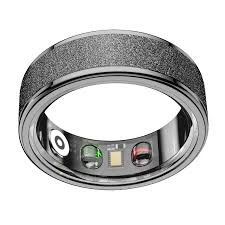
Colmi R10 Smart Ring UK: Exploring Smart Tracking in a Compact Design
Introduction
Wearable technology continues to evolve as people look for convenient ways to understand their daily activity, sleep patterns, and general wellness. While smartwatches and fitness bands remain popular choices, smart rings are attracting attention because they offer a smaller and more discreet alternative. These compact devices are designed to fit naturally into everyday routines while providing access to useful tracking features without requiring users to wear a large screen on their wrist.
The Colmi R10 smart ring UK is an option worth exploring for people interested in the smart ring category, particularly those who want a compact wearable rather than a traditional fitness tracker. Its appeal lies in the concept of combining everyday comfort with digital wellness monitoring in a ring-shaped design.
For shoppers comparing wearable devices, understanding the available features, practical benefits, limitations, and buying considerations is essential. A smart ring can be useful for people who want to monitor selected aspects of their daily routines, but the right choice depends on personal preferences, device compatibility, and the accuracy of the information provided.
This guide explores the features and potential advantages of the Colmi R10, explains what to consider when purchasing a smart ring in the UK, and examines how compact wearable technology can fit into a balanced approach to everyday wellness.
Understanding the Colmi R10 Smart Ring
Smart rings represent a different approach to wearable technology. Instead of using a watch-style display, they generally rely on small sensors, internal electronics, and a companion smartphone application to collect and present information.
The Colmi R10 belongs to a product category designed around this compact format. Rather than placing notifications, applications, and controls directly on the wearable, smart rings typically emphasize passive tracking and smartphone-based access to recorded data.
This approach can appeal to people who prefer minimal accessories. A ring may be easier to incorporate into an everyday outfit, and its smaller profile can be attractive to users who do not want another screen competing for their attention.
However, the exact capabilities of any particular model should be checked against its official product specifications. Features such as heart-rate monitoring, sleep analysis, activity tracking, battery performance, water resistance, and application compatibility can vary between devices and versions.
Before purchasing the Colmi R10, UK shoppers should confirm which features are supported by the specific model being sold rather than assuming that every smart ring offers the same functionality.
Why Smart Rings Are Becoming Popular
The growing interest in smart rings reflects a broader movement toward smaller, more convenient personal technology. Many people want useful information about their daily routines without carrying additional devices or constantly checking a screen.
A Compact Alternative to Smartwatches
Smartwatches can provide detailed information, interactive displays, notifications, navigation, and numerous applications. However, not everyone needs these functions throughout the day.
A smart ring offers a more understated alternative. Its compact form can suit people who prefer traditional watches, minimalist accessories, or a wearable that attracts less attention.
Because the ring does not need to accommodate a large screen, its primary purpose can focus on gathering information and sending it to a connected smartphone. This arrangement may make it suitable for users who want a simple wearable experience.
Designed for Everyday Routines
Wearable technology becomes more useful when it fits comfortably into regular activities. A ring can potentially remain part of a person’s daily routine during work, travel, relaxation, and sleep, provided its fit and the manufacturer’s usage recommendations allow this.
The absence of a large display can also encourage users to review their information at convenient times rather than repeatedly checking notifications.
Comfort remains an important consideration, however. Ring sizing, finger shape, material, and individual preferences can influence whether a smart ring feels suitable for extended wear.
A Different Approach to Digital Wellness
Smart rings generally focus on collecting selected measurements rather than delivering a full smartwatch experience. Depending on the model, these measurements may include heart rate, sleep-related information, movement, or other wellness indicators.
The information can help users notice patterns in their routines. For example, someone might compare activity levels across different days or review whether their sleep schedule remains consistent.
These measurements should be understood as general wellness information rather than a complete assessment of physical health.
Exploring Heart-Rate Tracking in a Smart Ring
Heart-rate tracking is an important consideration for shoppers comparing modern wearables. It provides information about how the body’s heart rate changes during rest and ordinary activities.
A budget smart ring with heart rate tracking may appeal to people who want basic wellness information without investing in a premium wearable. Nevertheless, the quality and usefulness of this feature depend on the device’s sensors, software, fit, and measurement conditions.
How Wearable Heart-Rate Sensors Work
Many wearable devices use optical sensors to estimate heart rate. These sensors shine light into the skin and measure changes in the light signal associated with blood-volume changes beneath the skin.
The device’s software processes these signals to estimate the user’s heart rate. The results can then be displayed in a companion application, depending on the product’s capabilities.
A ring’s position on the finger can affect the quality of the sensor signal. Movement, loose fitting, cold hands, and other conditions may influence readings.
For this reason, measurements from consumer wearables are not guaranteed to match medical equipment in every situation.
Why Heart-Rate Information Can Be Useful
Heart-rate information can help users understand general patterns during everyday life. For example, comparing readings taken under similar resting conditions may provide a useful picture of how measurements change over time.
Some devices also offer periodic measurements or recorded trends, depending on their design and settings. Users should check the official Colmi R10 specifications to determine how its heart-rate function operates.
A useful tracking experience should make information understandable without overwhelming the user with complicated charts or unexplained numbers.
Understanding the Limitations
A smart ring should not be treated as a medical diagnostic device unless it has the appropriate regulatory authorization for a specific medical purpose.
A single heart-rate reading does not explain every aspect of health, fitness, or wellbeing. Readings may also be affected by movement, sensor placement, and other environmental factors.
People who need medical monitoring should follow advice from a qualified healthcare professional and use appropriate medical equipment where recommended.
For everyday wellness, the best approach is to treat wearable readings as supplementary information rather than definitive conclusions.
Sleep Tracking and Daily Recovery
Sleep is another major reason people explore wearable technology. Understanding sleep routines can help individuals recognize habits that may influence how rested they feel during the day.
Some smart rings offer sleep-tracking features that estimate sleep duration, identify periods of movement, or divide recorded sleep into estimated stages. The availability and depth of these features depend on the particular device.
Before buying the Colmi R10, check whether its current specifications include sleep monitoring and what information the companion application actually provides.
Monitoring Sleep Habits
Sleep tracking may help users establish a more consistent bedtime, notice changes in their routine, and compare their estimated sleep duration across several nights.
For example, someone with an irregular work schedule might use a tracking application to review whether their sleep timing varies considerably during the week.
These records can support practical decisions about evening routines and rest, although the information should not replace professional evaluation when persistent sleep difficulties occur.
Comfort During Overnight Wear
A wearable designed for sleep monitoring should be comfortable enough to wear overnight. Smart rings avoid the wrist straps used by many fitness bands, but they still need to fit correctly.
A ring that feels too tight, rotates excessively, or creates discomfort may be unsuitable for extended wear. Users should follow the manufacturer’s sizing guidance and avoid wearing a ring that restricts circulation.
People who experience discomfort should remove the device and review its fit before using it again.
Interpreting Sleep Data Carefully
Sleep-stage estimates from consumer wearables are not equivalent to a clinical sleep study. Different devices use different sensors and algorithms, so results may not be directly comparable.
It is generally more useful to consider broad patterns alongside how a person feels than to focus on a single score or nightly measurement.
The purpose of tracking should be to encourage helpful routines, not to create unnecessary concern about normal variations.
Activity Tracking for Everyday Movement
Physical activity tracking can help users understand how much they move throughout the day. Depending on the model, a smart ring may record movement-related information, such as steps or activity estimates.
For shoppers considering the Colmi R10, verifying the supported activity metrics is an important step. The presence of a sensor does not automatically mean that a device supports every fitness function found in a smartwatch.
Making Daily Movement Easier to Understand
Many people spend long periods sitting at desks, studying, commuting, or using digital devices. Activity tracking can provide a general reminder to pay attention to movement throughout the day.
A compatible application may allow users to review their daily activity or compare results across different dates. These records can help identify routines that are easy to maintain and opportunities to include more movement.
The goal does not need to involve intense workouts or strict targets. Regular walking, taking movement breaks, and participating in enjoyable activities can all contribute to an active lifestyle.
Suitability for Different Activities
A smart ring may be convenient during ordinary daily routines, but its suitability for exercise depends on its design and the manufacturer’s guidance.
Some people may find a ring uncomfortable while lifting weights, handling equipment, or participating in activities involving gripping. Rings can also become caught on objects, creating a safety concern.
Users should remove the device when necessary and follow relevant safety recommendations. A ring should never interfere with safe participation in sports, exercise, or manual work.
Understanding Activity Estimates
Step counts and calorie estimates are approximations rather than exact measurements of energy expenditure. Sensor placement and movement patterns can influence the recorded results.
For this reason, it is sensible to use activity information as a general guide rather than treating every number as perfectly accurate.
Consistency can be more useful than precision when the objective is simply to understand everyday movement.
Design, Comfort, and Practical Usability
The compact design of a smart ring is one of its most distinctive characteristics. Unlike a smartwatch, which occupies the wrist and usually includes a display, a ring is intended to integrate into an existing accessory choice.
A Minimalist Appearance
A simple ring design can suit people who prefer understated technology. It may be easier to coordinate with different clothing styles than a large wearable screen.
However, appearance alone should not determine a purchasing decision. The ring’s dimensions, weight, materials, finish, and available sizes all contribute to its suitability.
Shoppers should review photographs and specifications for the exact Colmi R10 version available from their chosen retailer.
Choosing the Correct Size
Proper sizing is particularly important because a ring must maintain suitable sensor contact without feeling restrictive.
Finger sizes can vary throughout the day because of temperature, activity, and other normal changes. Buyers should follow the manufacturer’s measuring instructions and review its exchange policy before ordering.
If a retailer offers a sizing kit or another reliable sizing method, it may help reduce uncertainty before purchase.
A ring should feel secure without causing pain, numbness, or unusual pressure.
Everyday Maintenance
Wearable electronics benefit from sensible care. Users should follow the manufacturer’s instructions for cleaning, charging, storage, and exposure to moisture.
Water resistance should never be assumed simply because a product is described as a smart ring. The official specifications should explain the conditions under which the device can safely encounter water, if applicable.
Removing the ring when required and keeping its charging contacts clean according to the instructions may help support reliable use.
Battery Life and Charging Considerations
Battery performance is a practical factor when comparing smart rings. A compact device has limited internal space, so its battery capacity and power-management system influence how often it needs charging.
Actual battery life can depend on tracking frequency, sensor operation, application settings, battery age, and environmental conditions.
Rather than relying on general claims about smart rings, shoppers should check the stated battery life for the specific Colmi R10 model and look for information about testing conditions.
Planning Around Charging
A convenient charging routine can make wearable technology easier to maintain. Some users prefer to charge a device while getting ready in the morning, while others choose a different time based on their schedule.
The charging method, charging time, and included accessories should be confirmed before purchase.
If continuous overnight tracking is important, buyers should consider how charging requirements might affect their routine. It is also worth checking whether the retailer includes the necessary charging equipment or sells it separately.
Realistic Expectations
Advertised battery life may reflect particular settings rather than every possible usage pattern. Frequent monitoring or other power-intensive functions can change how long a device operates between charges.
A balanced buying decision considers both the advertised figures and the practical experience described in reliable product documentation.
Smartphone Compatibility and Companion Applications
Smart rings usually rely on a smartphone application to present their recorded information. The quality of this software can therefore influence the overall experience as much as the physical design.
Before buying the Colmi R10, UK shoppers should verify compatibility with their phone’s operating system and the specific application required by the device.
Reviewing the Application Experience
A useful companion application should make recorded information easy to understand. Clear summaries, understandable charts, and straightforward settings can help users interpret their data without unnecessary complexity.
Buyers may also want to check whether the application supports historical records, data synchronization, firmware updates, and any additional features described by the manufacturer.
The availability of these functions should be confirmed rather than assumed.
Privacy and Personal Data
Wearable devices may collect personal information related to activity, sleep, or heart-rate estimates. Before using an application, it is sensible to review its privacy policy and understand how data is collected, stored, and shared.
Users should examine the permissions requested by the application and avoid granting access that is unnecessary for the functions they want to use.
Privacy deserves consideration when comparing affordable devices, particularly when information is stored through online accounts or cloud-based services.
Buying the Colmi R10 Smart Ring in the UK
Purchasing wearable technology in the UK involves more than comparing the advertised price. Retailer reliability, warranty coverage, return conditions, shipping arrangements, and compatibility should all be part of the decision.
Compare Retailers Carefully
Shoppers should review the product listing and confirm that the model name, specifications, included accessories, and sizing options match their expectations.
A lower advertised price may not represent the best overall value if delivery costs are high or the seller provides limited after-sales support.
Check whether the retailer is established, provides clear contact information, and explains its policies for faulty products and returns.
Understand the Warranty and Return Policy
Before ordering, review the warranty period and determine how support is handled if the ring develops a problem.
Also check the conditions for returning an incorrectly sized or unwanted wearable. Hygiene-related policies may affect whether a product can be returned after opening or wearing it.
For UK purchases, consumers should consult the retailer’s terms and applicable consumer-protection rules rather than relying on assumptions about every seller’s policy.
Evaluate Overall Value
The price of a wearable should be considered alongside its supported functions, expected usability, comfort, and ongoing requirements.
For example, a device with fewer features may still suit someone who wants only basic wellness tracking. Another shopper may prefer a more advanced model with broader compatibility or more detailed reporting.
The most appropriate option is the one that meets the user’s actual needs without paying for unnecessary functions.
Is a Budget Smart Ring the Right Choice?
A budget smart ring with heart rate tracking can be appealing to people exploring wearable technology for the first time. However, affordability alone does not establish whether a device is suitable.
Buyers should consider three main questions.
First, does the ring offer the tracking functions they genuinely intend to use? A long list of features is less valuable if the application is difficult to understand or the device does not support a preferred measurement.
Second, is the ring comfortable and practical for everyday use? A compact design is beneficial only when the size, fit, and wearing experience suit the individual.
Third, does the overall purchase offer dependable support? Clear product information, reliable software, reasonable warranty conditions, and accessible customer service can be important indicators of a worthwhile purchase.
It is also helpful to compare independent reviews with the manufacturer’s specifications. Reviews can reveal practical observations about setup and usability, while official documentation is the better source for confirming supported functions.
Avoid choosing a product solely because of impressive promotional claims. Instead, evaluate the information available and identify any unanswered questions before ordering.
Who Might Benefit from the Colmi R10?
The Colmi R10 may be worth considering for shoppers who are interested in the smart ring format and want to explore compact wearable technology.
It could be relevant to people who prefer a ring over a wrist-worn tracker, want to review supported wellness information through a smartphone, or are comparing entry-level alternatives to more expensive wearables.
However, suitability depends on the verified capabilities of the particular model and the buyer’s expectations.
Someone who needs a large display, detailed workout controls, built-in navigation, or extensive smartwatch applications may find a conventional smartwatch more appropriate.
Likewise, people who require medically reliable monitoring should choose equipment recommended by a qualified healthcare professional rather than assuming that a consumer smart ring can replace medical devices.
Understanding these differences helps shoppers make decisions based on practical requirements instead of marketing trends.
Conclusion
The growing popularity of smart rings demonstrates how wearable technology is moving toward smaller, more discreet designs. By combining a compact form with smartphone-based information, these devices offer an alternative to traditional watches and fitness bands.
The Colmi R10 smart ring UK is worth researching for anyone interested in exploring this category. Before purchasing, shoppers should verify its supported features, including heart-rate monitoring, activity tracking, sleep-related functions, battery performance, and smartphone compatibility.
A budget smart ring with heart rate tracking may provide an accessible way to explore everyday wellness information, provided the buyer understands the limitations of consumer sensors and the importance of a comfortable fit.
Ultimately, the best smart ring is not necessarily the one with the longest feature list or the lowest advertised price. It is the device that fits comfortably, provides useful information, works reliably with the user’s phone, and comes with clear purchasing and support conditions.
By comparing specifications carefully and setting realistic expectations, UK shoppers can make a more informed decision about whether the Colmi R10 or another smart ring is the right addition to their everyday technology.